
Manufacturing & Telecommunications · Zimbabwe
First African Assembly Plant in Zimbabwe: A Milestone in Local Manufacturing
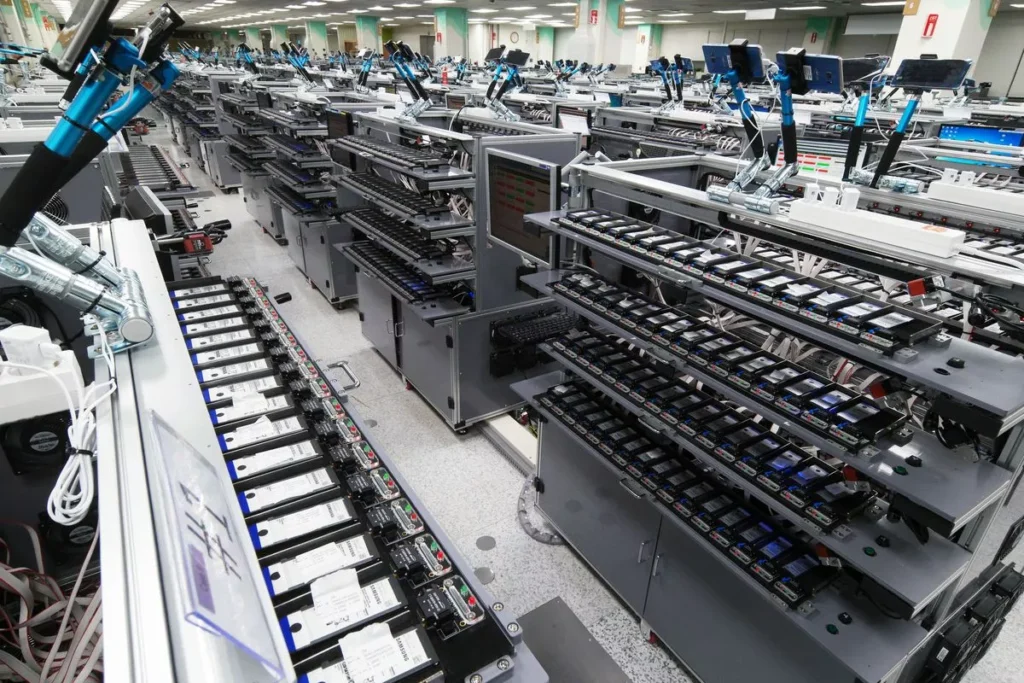
The first mobile phone assembly plant established by an African company in Zimbabwe, built in partnership with the Harare Institute of Technology.
- Client
- First African Assembly Plant
- Industry
- Manufacturing & Telecommunications
- Location
- Zimbabwe
Zimbabwe's technology and IT sector is a dynamic and rapidly evolving landscape, marked by significant innovation alongside infrastructural challenges. The country boasts high mobile penetration, with operators like Econet, Telecel, and NetOne driving widespread 3G and 4G connectivity and pioneering financial technology — most evident in the global success of Econet's EcoCash, a revolutionary mobile money platform that has become a cornerstone of the nation's financial system. A pivotal development in its industrial journey is the establishment of local mobile phone assembly plants. Spearheaded by companies like AfriTech Holdings (assembling Xiaomi and Itel devices) and Econet's Steward Bank (launching the first Zimbabwean-assembled smartphone, the Phiri), this initiative is a key government-backed strategy under the National Development Strategy 1 (NDS1), aiming to boost local manufacturing, reduce the import bill, create jobs, make smartphones more affordable, and position Zimbabwe as a technology hub in the region.
The Challenge
Southern Africa lacked a significant local manufacturing base for electronics, leading to a heavy reliance on imports and limited technology transfer.
The Solution
In 2016, Astro Mobile became the first African company to establish a mobile phone assembly plant in Zimbabwe. The company partnered with the Harare Institute of Technology (HIT) to set up and run the facility. This partnership was designed to be more than just a production line; it was a hub for knowledge sharing and local development.
Impact
This assembly plant was a major milestone for both Astro Mobile and the region. It facilitated significant technology transfer, contributed to local job creation, and established a model for local manufacturing in Southern Africa. The project demonstrated Astro Mobile's commitment to building a sustainable industrial base and contributing to the economic self-sufficiency of the continent.